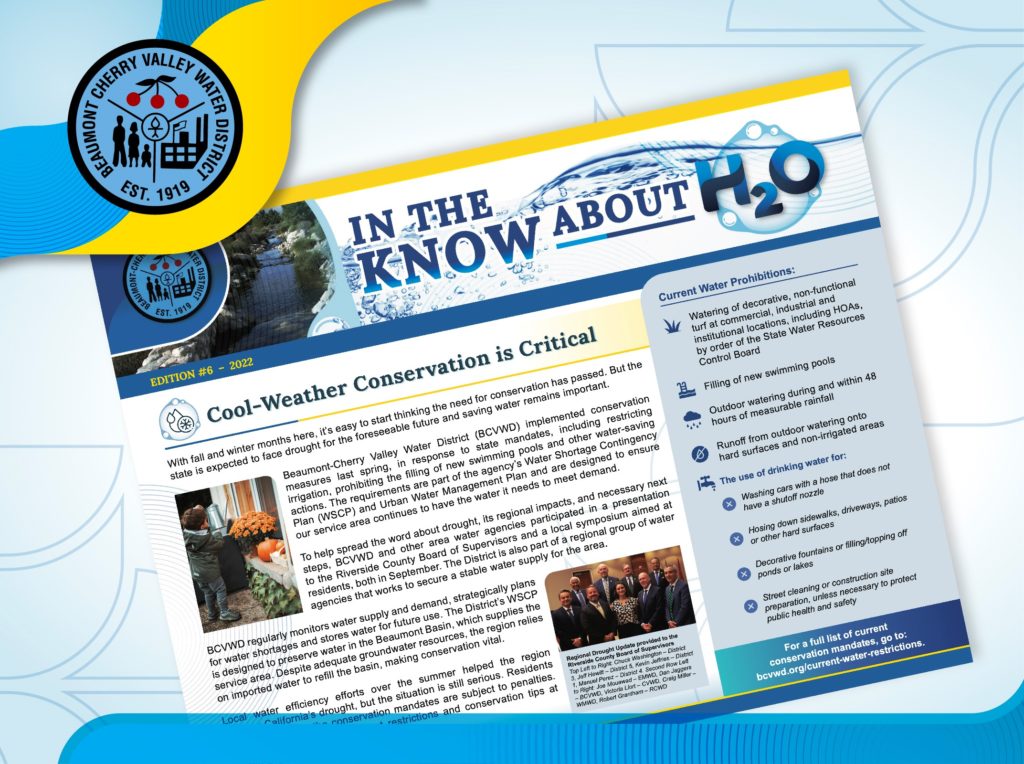
December 2022 Newsletter
BCVWD is committed to keeping the community informed! Read our newsletter for up-to-date information on what’s happening at the District. Find it online at bcvwd.org/documents/newsletters. #BCVWD
BCVWD is committed to keeping the community informed! Read our newsletter for up-to-date information on what’s happening at the District. Find it online at bcvwd.org/documents/newsletters. #BCVWD
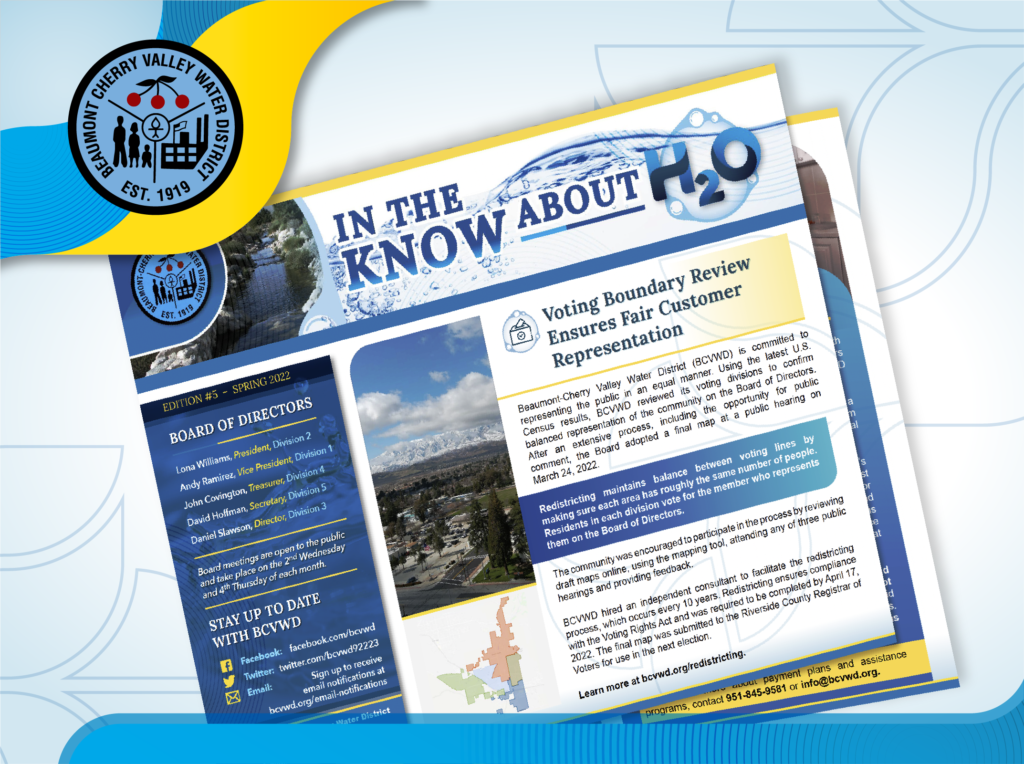
From bill pay assistance to conservation updates, stay up to date with what’s happening at BCVWD. Click the link below to read In the Know with H2O.
https://bcvwd.org/wp-content/uploads/2022/05/Newsletter052022.pdf
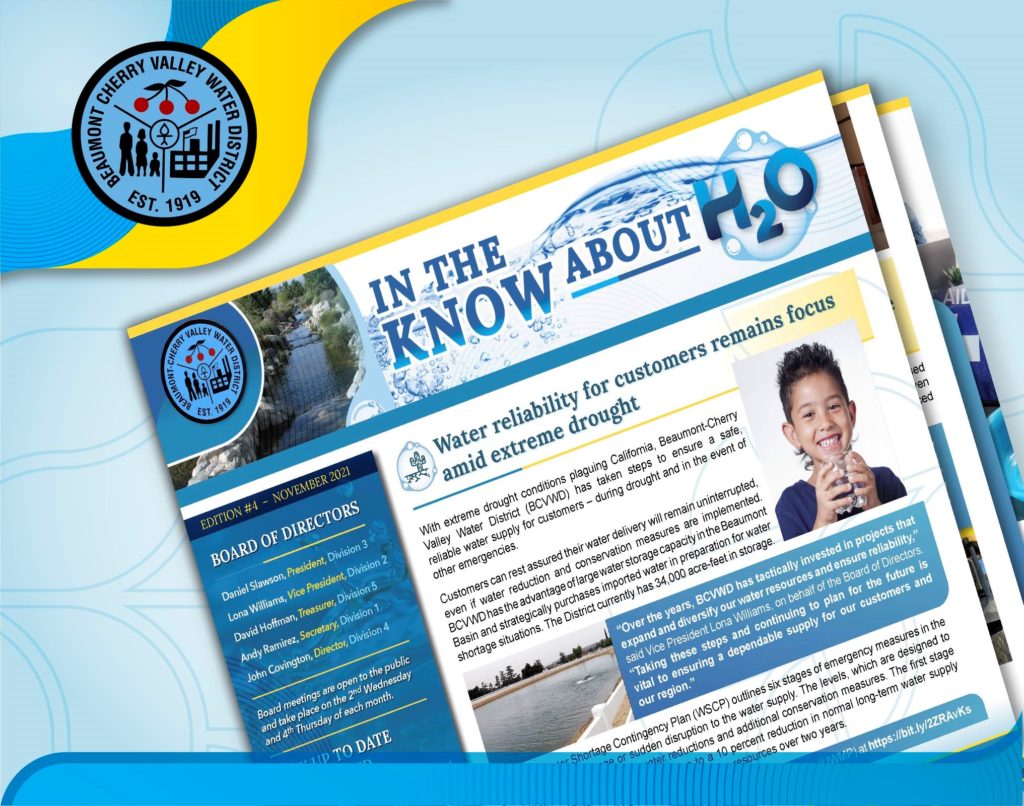
Stay informed! Check out our latest newsletter, “In the Know About H2O!” by clicking the link below.
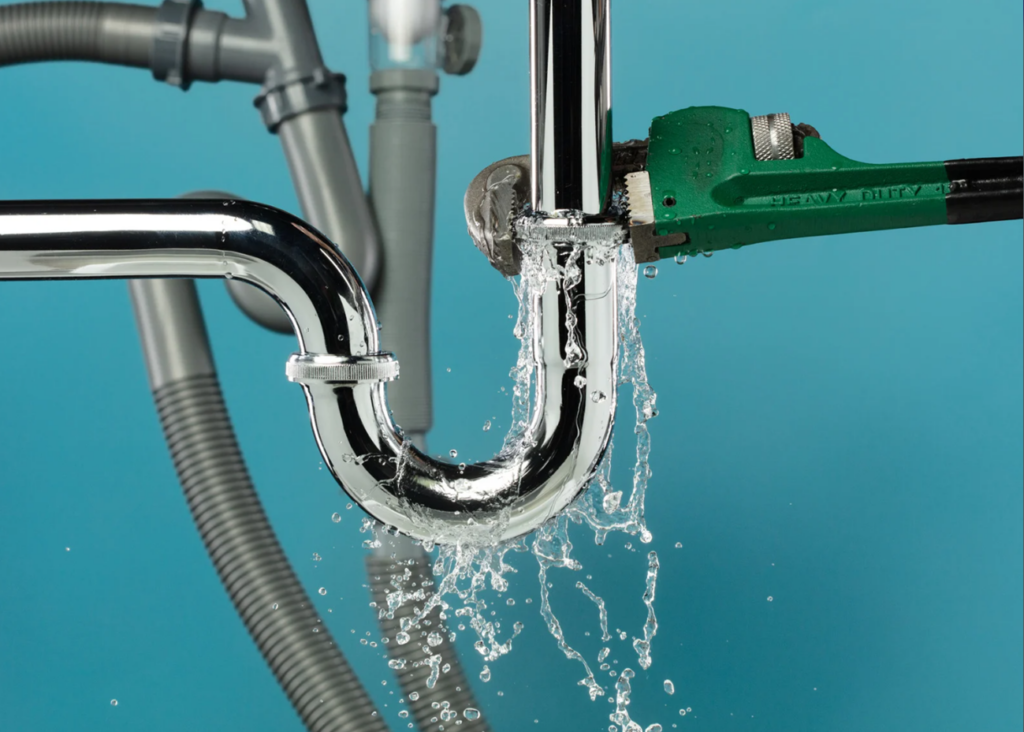
While utilities around the world work to reduce water loss caused by aging infrastructure and system leaks, everyday household leaks can also waste a surprising amount of water, especially during the cooler months, when irrigation systems go dormant and slow drips are easier to overlook.
A few simple seasonal check-ups can help prevent unnecessary water loss at home:
Every leak fixed, big or small, protects our water supply, supports long-term reliability, and saves money. Learn more about using water wisely at https://bcvwd.gov
#BCVWD #BeWaterWise #WaterConservation #LeakDetection
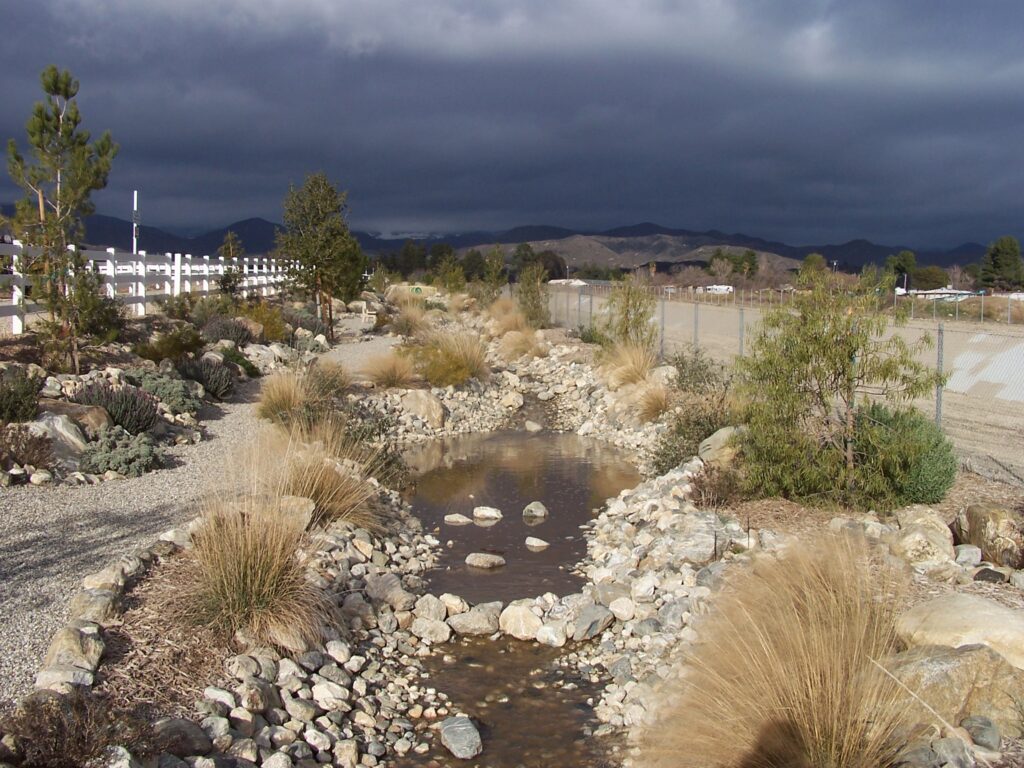
Groundwater 101: What It Is & Why It Matters Here at Home
Groundwater is the fresh water stored beneath the ground in soil and rock formations called aquifers. In Beaumont and Cherry Valley, much of our drinking water comes from the Beaumont Groundwater Basin, a vital underground resource that helps keep water flowing to our homes, schools, and businesses year-round.
Groundwater is especially important for our community because it helps us:
By using groundwater wisely and supporting local recharge and conservation efforts, we help protect one of our region’s most valuable natural resources.
Learn more at https://bcvwd.gov and https://beaumontbasinwatermaster.org/ .#BCVWD #Groundwater101 #BeaumontBasin #WaterEducation #BeWaterWise #LocalWater #WaterSustainability
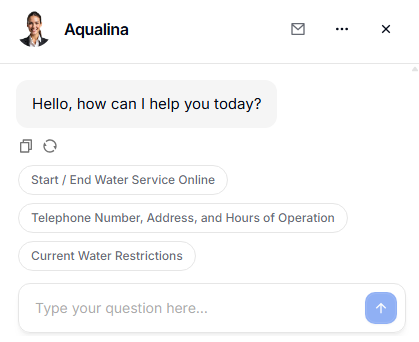
We’re excited to share that our new AI-powered helper, Aqualina, is now live on our website at https://bcvwd.gov. Aqualina is here to make it easier and faster for you to get answers about your water service, anytime, day or night.
We know that new technology can feel a little intimidating at first. That’s why we want to assure our community that Aqualina is not here to replace our Customer Service Team. Our staff remain at the heart of what we do, Aqualina simply helps answer quick questions so our team can focus on the more complex needs where their expertise matters most.
Aqualina can help with things like:
“Innovations like Aqualina help us improve efficiency and customer experience, but they also highlight the importance of our dedicated employees,” stated BCVWD Board Member David Hoffman. “This virtual assistant is designed to support the great work our staff already does, giving them more time for the challenging tasks while offering residents a convenient way to find quick answers day or night. It’s a win for both the community and our team.”
We’re proud to bring helpful, modern tools to our community, without losing the personal service you rely on. Give Aqualina a try at https://bcvwd.gov and let us know what you think!
#BCVWD #Aqualina #CustomerService #WaterDistrict #InnovationWithHeart
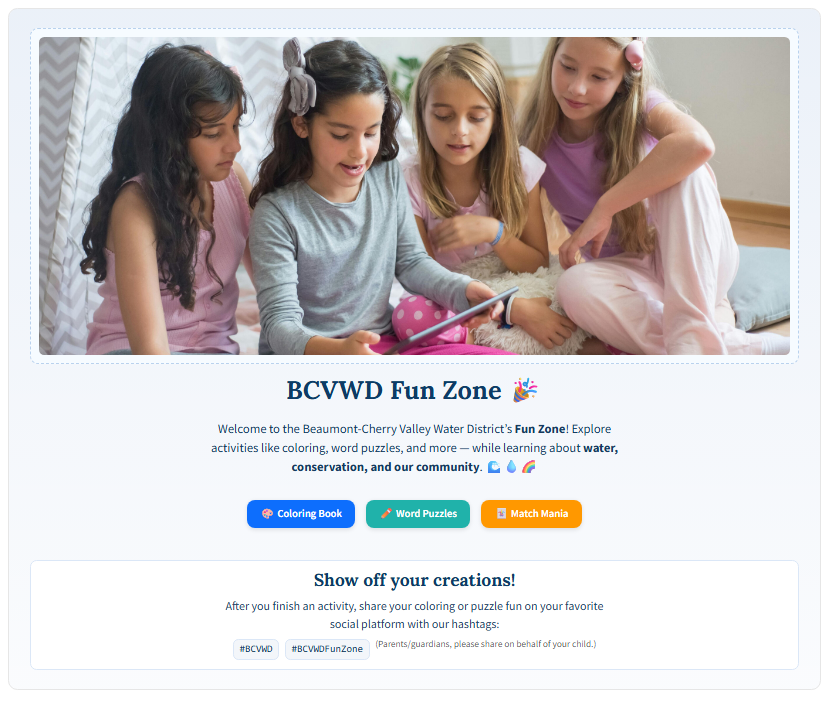
Visit our Fun Zone at https://bcvwd.gov and enjoy:Online Coloring Pages
Word Puzzles
Water-Themed Match Game
It’s a great way for kids (and adults!) to explore how water works while having fun.
When you finish a coloring page or puzzle, share your masterpiece with us using #BCVWD or #BCVWDFunZone. We would love to see your creations!
Let’s celebrate curiosity, creativity, and the value of water together.
#BCVWD #BCVWDFunZone #WaterEducation #CommunityEngagement #LearnWithBCVWD

Happy Thanksgiving from all of us at Beaumont-Cherry Valley Water District!
Today we give thanks for our incredible community, and for the water that connects us all.
We’re grateful for the opportunity to serve more than 22,000 customers with safe, reliable, high-quality water every day. Your trust inspires us to keep investing in the people, infrastructure, and service that sustain our shared future.
To allow staff to celebrate with their families, our offices will be closed Thursday, November 27. For water emergencies, please call (951) 845-9581, option 9.
Wishing you and your loved ones a joyful and safe Thanksgiving!
#HappyThanksgiving #BCVWD #GratefulForWater #CommunityFirst #ValueOfWater

Proud to Provide Quality Water You Can Count On Every drop matters, and at Beaumont-Cherry Valley Water District, we’re proud to deliver safe, high-quality water to more than 22,000 customers every day.
From source to tap, our dedicated team performs rigorous testing, system maintenance, and infrastructure improvements to ensure the water you receive meets or exceeds all state and federal standards.
Quality, reliability, and service are at the heart of everything we do, because our community deserves water you can count on.
Learn more about your water at https://bcvwd.gov
#BCVWD #WaterQuality #SafeWater #WaterYouCanCountOn #ReliableWater #CommunityTrust
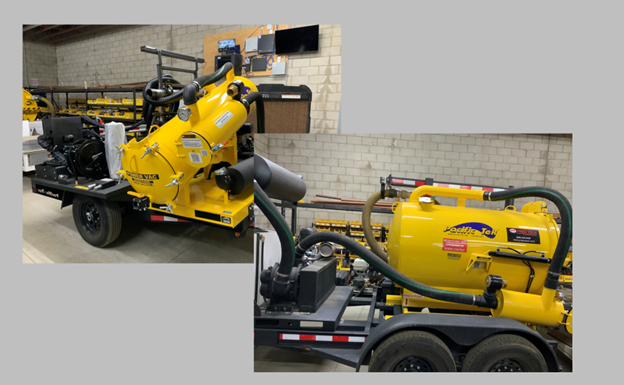
Beaumont-Cherry Valley Water District is continuing to invest in tools and technology that enhance our efficiency, reliability, and safety in the field.
As part of our Capital Improvement Program, the District has authorized the purchase of two new pieces of equipment: a Power Vacuum and Valve Exerciser Trailer and a Power Vacuum Excavator Trailer. These trailer-mounted systems will replace the aging 2004 GIS/Muck Truck (Unit #8), which had reached the end of its service life.
The new trailers allow our Operations team to:
Safely perform valve maintenance to keep the water system functioning during emergencies and repairs.
Quickly remove soil and debris around pipes, reducing the need for hand digging and minimizing risk to staff and infrastructure.
Respond faster to leaks and service emergencies with specialized, towable equipment that’s easier to maintain and transport.
By purchasing two versatile trailers instead of a single truck replacement, BCVWD is not only improving flexibility but also reducing long-term costs and adapting to future fleet requirements, including California’s evolving vehicle standards.
“This investment strengthens our ability to respond efficiently to water system needs while improving safety for our crews and the community,” said John Covington, BCVWD Board of Directors. “It demonstrates our ongoing commitment to reliability, safety, and responsible resource management.”
Learn more about BCVWD’s ongoing infrastructure investments at https://bcvwd.gov.
#BCVWD #CIP #PublicWorks #ReliableWater #WaterInfrastructure #CommunityInvestment #SafetyFirst #BeaumontWater
Based on the AWWA Opflow article “Dispelling Bottled Water Myths.” DOI link: https://doi.org/10.1002/opfl.70009
Bottled water has become a normal part of daily life for many people. Sales have grown every year, and more than 16 billion gallons were consumed in 2024. A lot of this growth comes from the belief that bottled water is cleaner or safer than tap water.
The truth is that drinking water in the United States is heavily regulated and monitored. Public water systems must meet strict rules, report results, and test water regularly. These standards make tap water one of the safest and most reliable resources in the country.
The U.S. Environmental Protection Agency sets drinking water rules for public water systems. These rules cover 94 contaminants, including metals, chemicals, and pathogens. Utilities must follow treatment requirements, sampling schedules, and public reporting standards.
The EPA also has secondary standards to help with taste, smell, and color. These are not health-based, but they help utilities provide pleasant water for customers.
These regulations are updated as new information becomes available. Recent changes include new limits for PFAS and stronger monitoring requirements. The rules for tap water are more detailed and wide-ranging than those for bottled water.
Bottled water is regulated by the U.S. Food and Drug Administration, not the EPA. FDA rules are different and in some cases less strict. Bottled water companies do not have to test as frequently or report results to the public the same way utilities do.
Research has shown that bottled water can contain contaminants such as uranium, arsenic, and radiological materials. In one study of 30 bottled water samples, more than half contained uranium and more than two-thirds contained arsenic. Some samples exceeded health-based limits.
There have also been several safety cases involving bottled water brands. In one example, a brand contained hydrazine, a chemical linked to liver and kidney problems. Another brand was connected to more than 20 cases of nonviral hepatitis. These incidents show that bottled water is not automatically safer than what comes from the tap.
EPA data shows the average cost of tap water is about 0.6 cents per gallon. Bottled water commonly costs one to three dollars per gallon. In many cases the price difference can be as high as 1,000 times.
Customers often pay for packaging, transportation, and branding, not for better water quality. Meanwhile, public water systems must keep rates affordable while maintaining treatment plants, pipelines, and monitoring programs.
Plastic bottle waste is a serious environmental problem. The photo in the Opflow article shows bottles scattered across a shoreline, which is a familiar scene in many places. Choosing tap water helps reduce plastic, lowers energy use, and cuts down on emissions from transportation and manufacturing.
Using a reusable bottle instead of single-use plastic can make a noticeable difference, especially over time.
Public water systems operate under layers of protection. These include:
Utilities are required to notify customers if there is a problem, explain what happened, and describe what is being done to fix it. This level of transparency is one of the strengths of the public water system.
Bottled water can be convenient, but it is not always safer, cleaner, or better than tap water. In many cases it is less regulated, more expensive, and harder on the environment.
Tap water is safe, affordable, and reliable. It is tested every day and held to some of the highest drinking water standards in the world. By choosing tap water, customers support their community, protect the environment, and save money at the same time.
To read the full AWWA Opflow article, visit: https://doi.org/10.1002/opfl.70009
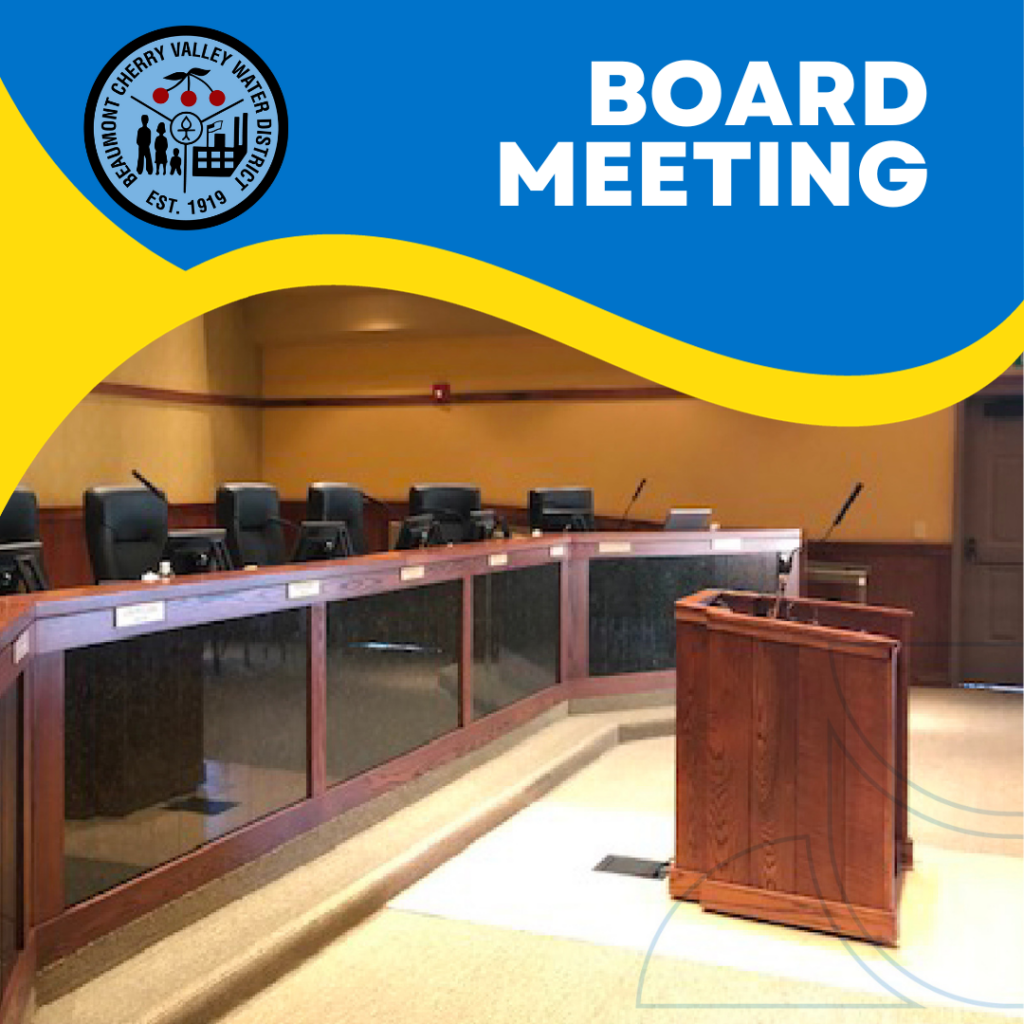
Here’s your chance to #participate! We welcome feedback from the community during our Board of Directors meetings. Join us in person or online tonight at 6:00 p.m. Visit https://bcvwd.gov/documents/2025-board-meeting-agendas for the agenda. #BCVWD
Online via Zoom –
https://us02web.zoom.us/j/84318559070?pwd=SXIzMFZCMGh0YTFIL2tnUGlpU3h0UT09
Telephone, please dial: (669) 900-9128
Enter Meeting ID: 843 1855 9070
Enter Passcode: 113552
For public comment, use the “Raise Hand” feature on the video call when prompted. If dialing in, please dial *9 to “Raise Hand” when prompted. #BCVWD